Industrial vs Residential Cleaning: Key Service Differences
If you live or run a business in Townsville, you have probably noticed that not all cleaning services are the same. A company that does a great job on your home may not be equipped to clean a warehouse, a mine-support facility or a manufacturing plant. Understanding the differences between industrial and residential cleaning helps you hire the right provider, budget accurately and keep your space safe, compliant and presentable.
What Is Residential Cleaning?
Residential cleaning covers homes, apartments, townhouses and rental properties. The focus is on hygiene, tidiness and comfort for the people who live there. Services are usually scheduled weekly, fortnightly or monthly, or booked as one-off jobs such as end-of-lease cleans.
Typical Residential Services
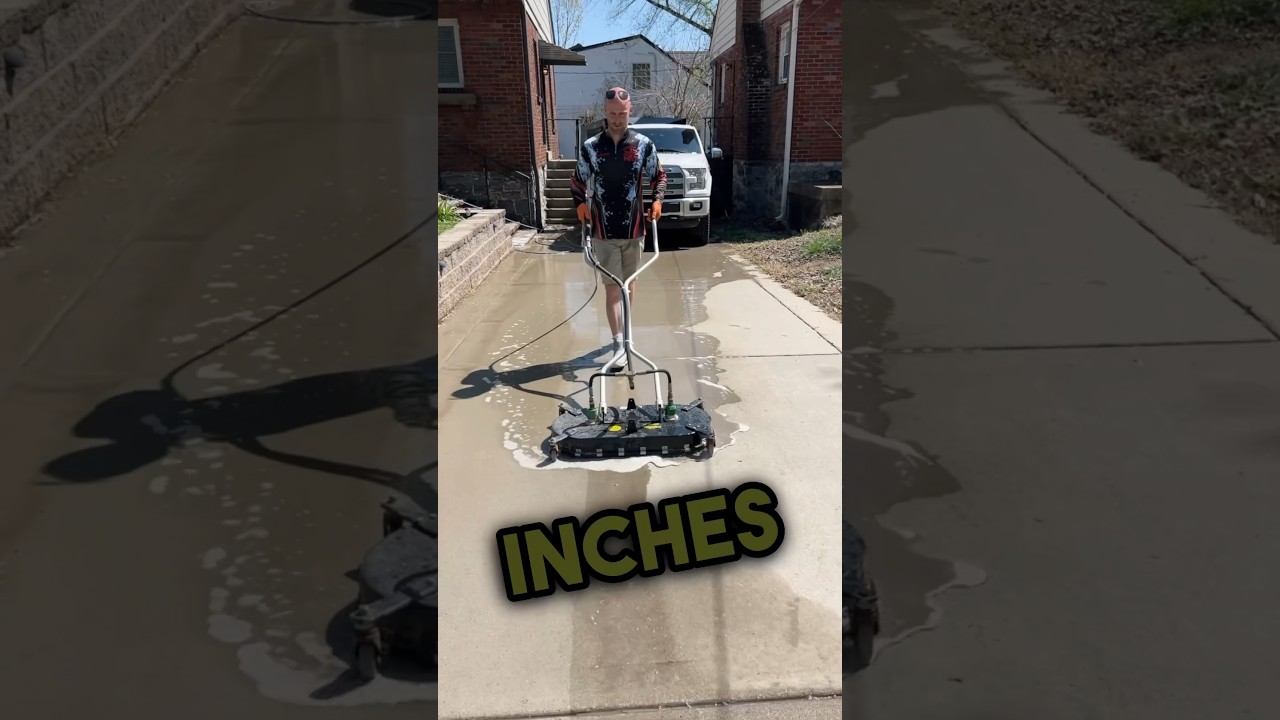
Residential cleaners generally handle dusting, vacuuming, mopping, bathroom and kitchen sanitising, window cleaning and appliance wipe-downs. Many also offer add-ons such as oven cleaning, carpet steam cleaning, wall washing and pressure cleaning of patios and driveways. In Townsville, mould removal is a common request because of the tropical humidity, especially during the wet season from roughly December to April.
Equipment and Products
Residential work relies on standard household-grade equipment: domestic vacuum cleaners, microfibre cloths, mops and consumer-grade or mild commercial cleaning products. Cleaners often use gentler, pet-friendly and child-safe products because families spend long hours in the space.
What Is Industrial Cleaning?
Industrial cleaning is a specialised service for large-scale, high-risk or heavy-duty environments. Think factories, workshops, warehouses, processing plants, port and logistics facilities, construction sites and energy or resource-sector sites. The goal goes beyond appearance. It includes safety, regulatory compliance, equipment longevity and operational efficiency.
Typical Industrial Services
- Heavy-duty floor cleaning: Ride-on scrubbers and sweepers remove oil, grease, dust and debris from large concrete floors.
- High-pressure washing: Hot and cold water systems clean machinery, loading bays, hardstands and external structures.
- Industrial vacuuming: High-capacity vacuums remove fine dust, metal shavings and hazardous particulates.
- Equipment and machinery cleaning: Degreasing and decontamination help keep plant equipment running properly.
- Waste and spill management: Safe handling and disposal of oils, chemicals and industrial waste.
- High-access cleaning: Cleaning roofs, gutters, ceilings and elevated structures using elevated work platforms or rope access.
Equipment and Products
Industrial cleaners use commercial-grade machinery, specialised degreasers, solvents and chemical-resistant gear. Products are selected for the type of contaminant, whether that is grease, rust, concrete dust or chemical residue, and they must be stored, handled and disposed of correctly.
Key Differences at a Glance
Scale and Complexity
A typical home might be 150 to 300 square metres. An industrial site can span thousands of square metres with multiple zones, mezzanine levels and specialised areas. Industrial jobs often need detailed planning, site inductions and project management that residential jobs simply do not.
Safety Requirements and Training
Industrial cleaners typically need safety training and site-specific inductions. Depending on the environment, this can include working at heights, confined space entry, hazardous chemical handling, manual handling and the use of personal protective equipment such as respirators, gloves, hard hats and high-visibility clothing. Many Townsville industrial sites also require a current White Card for construction-related work. Residential cleaners usually work in lower-risk settings and need a more basic safety approach.
Regulatory Compliance
Industrial cleaning is shaped by workplace health and safety laws, environmental rules and waste regulations. In Queensland, businesses must meet obligations under the Work Health and Safety Act 2011 and manage hazardous substances and waste appropriately. Providers should be able to supply safety documentation such as Safe Work Method Statements (SWMS), risk assessments and Safety Data Sheets (SDS). Residential cleaning has far fewer formal compliance requirements, though reputable providers still carry public liability insurance.
Scheduling and Disruption
Homes are usually cleaned during the day while occupants are out. Industrial cleaning is often scheduled around production shifts, shutdowns or after hours to avoid interrupting operations. Some sites need 24/7 or rapid-response services, particularly after spills or equipment maintenance.
Pricing Structure
Residential cleaning is commonly priced by the hour, by the room or as a flat rate per visit. Industrial cleaning is more often quoted per project or contract, based on site size, contamination level, equipment needed, safety requirements, access difficulty and waste disposal. Because of these variables, an on-site assessment is usually needed before an accurate quote can be provided.
Townsville-Specific Considerations
Townsville's climate and industry influence both types of cleaning. High humidity and heat encourage mould and mildew growth in homes, while red dust, salt air and heavy rain events create ongoing cleaning demands for outdoor areas and building exteriors. For industrial clients, the port, mining-support services, defence-related facilities, manufacturing and construction sectors all bring distinct cleaning needs, from dust control to degreasing and post-construction clean-ups.
Cyclone season preparation and recovery is another factor. Before the season, drains, gutters and loose debris should be cleared. Afterwards, flood and storm clean-ups may require specialised drying, sanitising and debris removal, particularly in commercial and industrial settings.
How to Choose the Right Provider
Whether you need a home cleaner or an industrial contractor, a few checks will help you avoid problems:
- Confirm experience: Ask whether the company regularly services your type of property or site.
- Check insurance: Public liability insurance is essential, and workers' compensation cover should be in place for staff.
- Ask about safety systems: Industrial providers should be able to show SWMS, training records and SDS documentation.
- Request a clear quote: The scope of work, inclusions, exclusions and frequency should be written down.
- Look for local references: Reviews and referrals from other Townsville clients indicate reliability.
- Ask about products and equipment: Make sure they are suitable for your surfaces, your environment and any environmental requirements.
Can One Company Do Both?
Some cleaning businesses offer residential, commercial and industrial services, but the skill sets and equipment differ significantly. If a provider covers multiple categories, ask how they separate those operations, which staff are trained for industrial work and what safety systems they have. For specialised industrial tasks, a dedicated industrial cleaning contractor is usually the safer option.
Final Thoughts
Residential cleaning is about creating a fresh, healthy home, while industrial cleaning is about maintaining safe, compliant and efficient working environments. The tools, training, scheduling https://pressurewashingtownsville.com.au/driveway-cleaning/ and pricing all reflect those different goals. By understanding where your needs sit, you can ask the right questions, compare quotes more confidently and choose a Townsville cleaning provider that delivers results suited to your property or workplace in 2026 and beyond.
Pressure Washing Townsville
(07) 4801 0339